Stories
The Conservation Conversation
December 18, 2025
What Restoration Looks Like in the Museum World
At the Philadelphia Museum of Art, American decorative arts curator Alexandra Kirtley finds purpose and inspiration in the preeminence given at that museum to the decorative arts — formerly known as industrial arts or applied arts — as well as its long history of conservation. The Pennsylvania Museum and School of Industrial Art (as it was called until 1938) was founded as an outgrowth of the 1876 Centennial Exhibition and was modeled on the South Kensington Museum in London, now the Victoria and Albert Museum. At the museum, the goal was to collect models that inspired contemporary artisans and designers, both encouraging
an appreciation of the decorative arts and promoting the application of industry to the production of art. The earliest collections were both historic and contemporary, with the latter celebrating the innovations of the late19th century as well as the enduring legacy of historic techniques.
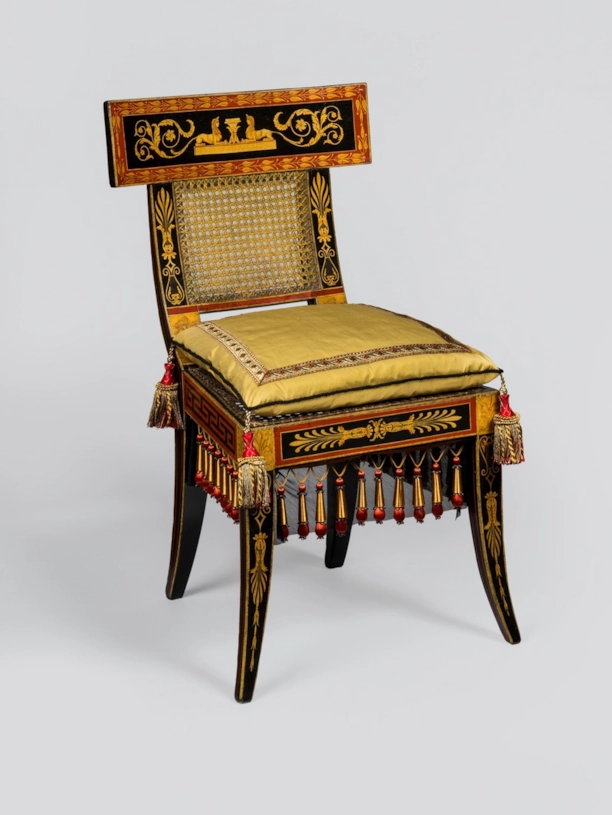
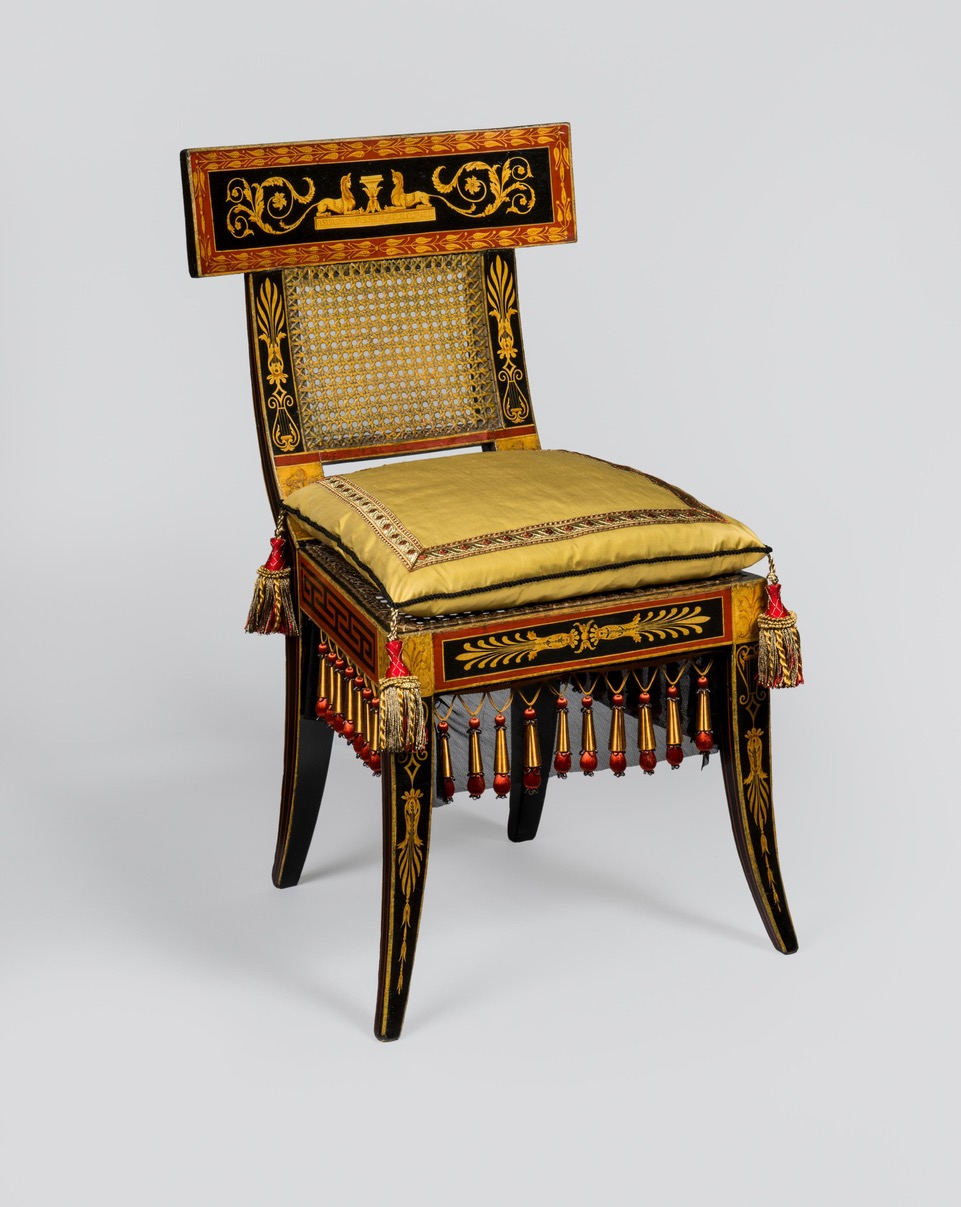
Curators like Kirtley are often called upon to give tours to VIPs. One Monday in August 2013, Kirtley was asked to give such a tour to the most famous cabinetmaker in the world: Harrison Ford. They strolled the galleries and period rooms and then visited the museum’s famed conservation labs. Thrilled but remaining calm, cool, and collected, the furniture conservators suddenly found themselves explaining scientific processes and investigative treatments to the man they knew as a cabinetmaker who landed his first film role by making bookshelves for George Lucas’s garage — but who most others would know only as Han Solo, Indiana Jones, or Jack Ryan. At the time, PMA conservator Peggy A. Olley (now the Elaine S. Harrington senior conservator of furniture and woodwork) was treating the museum’s set of classical painted furniture designed by architect B. Henry Latrobe and made by Philadelphia cabinetmaker John Aitken. Ford was enthralled by the dramatic curve of the Klismos chairs and sofa. While cleaning his glasses with a nearby Chem Wipe, he said to Olley with his classic Indiana Jones eye, “They look Egyptian.”
Kirtley and Olley explained to Ford how — along with the PMA’s upholsterer Beth Paolini — they had used historic designs and surviving physical evidence to uncover the original upholstery design and materials. (The results of this curatorial-conservation collaboration resulted in their ground- breaking 2016 exhibition and catalogue, Classical Splendor: Painted Furniture for a Grand Philadelphia House.) Kirtley
and Olley explained that for the reproduction upholstery they sourced the silk from Lyon, the tape from a liturgical manufacturing company from Italy, and the fringe from Watts 1874 in London. Unable to find them commercially, Paolini painstakingly made the large tassels — turning the bobbins, dying the silk, spinning the silk onto the bobbin, tying the netting, and spinning the fringe. (It took Paolini eight hours to make one tassel, and 36 tassels were needed to upholster the museum’s furniture.) This underscores how conservators are not only scientists but artists in their own right.
As Kirtley and Ford perused the galleries of modern and contemporary art, Ford explained that for films, production companies often have great success in the United Kingdom because the pomp required to put on the pageantry of Britain’s Royal Family supports the livelihoods of artisans and craftspeople. Without the trades, and the centuries of accumulated technical knowledge they represent, the spectacle of royalty would be impossible — and the art of decoration would be lost too.
The Value of Apprenticeship Programs
For centuries, apprenticeship programs have provided immersive, dedicated training in craftsmanship. These programs were once integral to passing down tradition-
al skills that kept entire industries alive. In the past, such expertise would transfer within families, allowing knowledge to outlast generations and fostering enduring career paths. Today, however, these opportunities are increasingly scarce as traditional master craftsmen retire with no successors to carry on their techniques.
Joan Boening is the owner of third-generation antique silver and jewelry dealer James Robinson, Inc., which opened its first storefront on Madison Avenue in 1912. Having spent 45 years as a dealer, Boening has witnessed firsthand how declining demand for silver over recent decades has been matched by an equally troubling trend: a severe shortage
of skilled craftsmen. “The decrease demand for these items has resulted in a dearth of craftsmen with the appropriate skills to work with antique silver,” she observes.
The world of antiques restoration is deeply intertwined with curation, as each discipline relies on specialized skills that complement the other. While bringing young restorers into the field seems like an obvious solution, opportunities remain limited. University-affiliated institutions rarely offer these programs, and Boening has proposed an alternative: bringing in talent through apprenticeships. An immersive, hands-on training experience would ensure that traditional skills continue to be preserved by a new generation of craftspeople working one-on-one with antique silver.
This approach keeps invaluable knowledge contained within families and workshops, preventing the loss of expertise in skills that can take decades to master and cause significant financial damage when mishandled.
The urgency is real. Over the past decade, the silver industry has lost at least three master silversmiths, and the remaining experts have no apprentices to continue their craft. “There
are barely any programs teaching the decorative arts,” Boening explains, “so the only way to learn is hands-on with a dealer or craftsperson.” Without immediate action to establish apprenticeship programs at arts and crafts-specific schools, the field faces a bleak future with no trained silversmiths or restorers to carry on this centuries-old tradition.
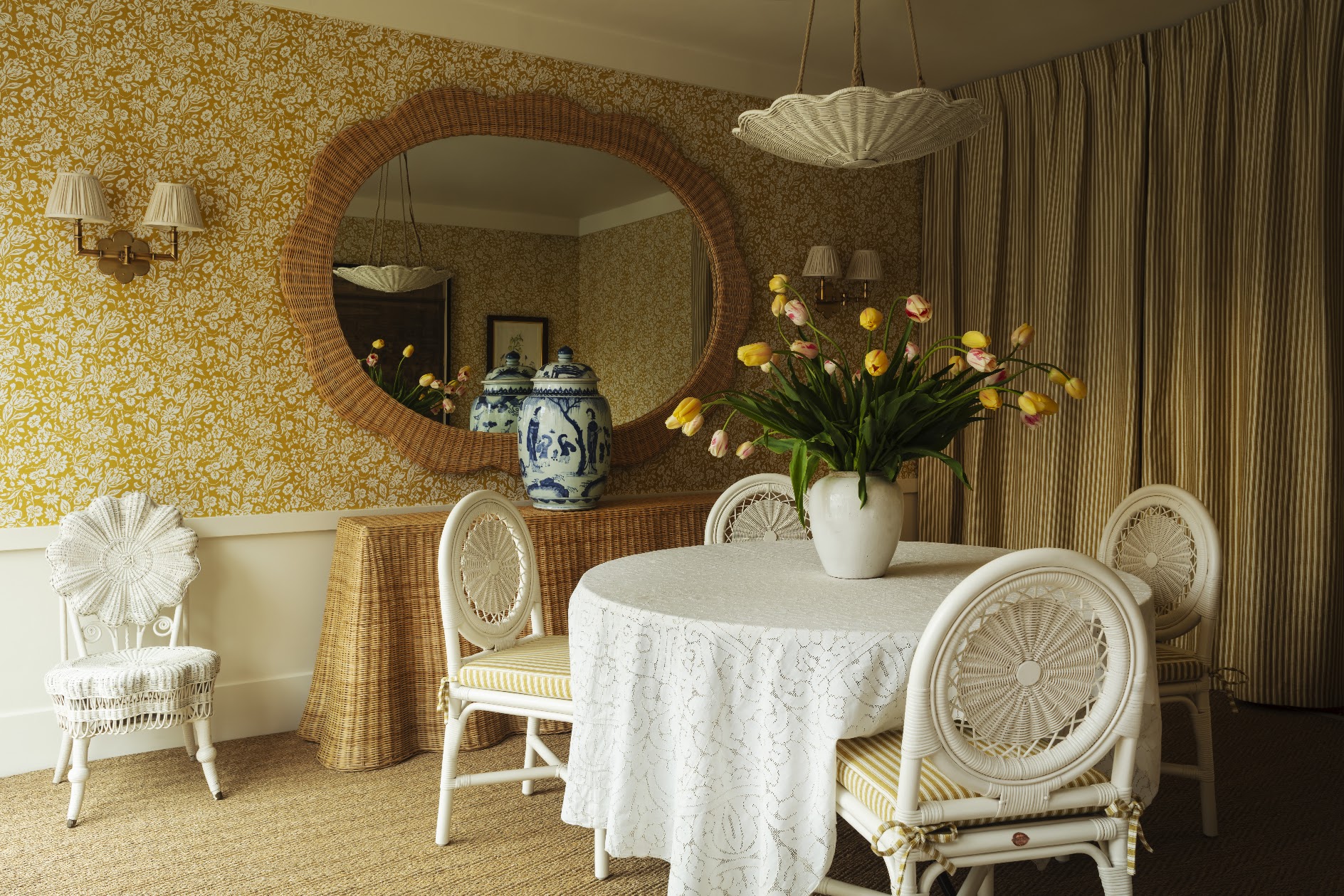
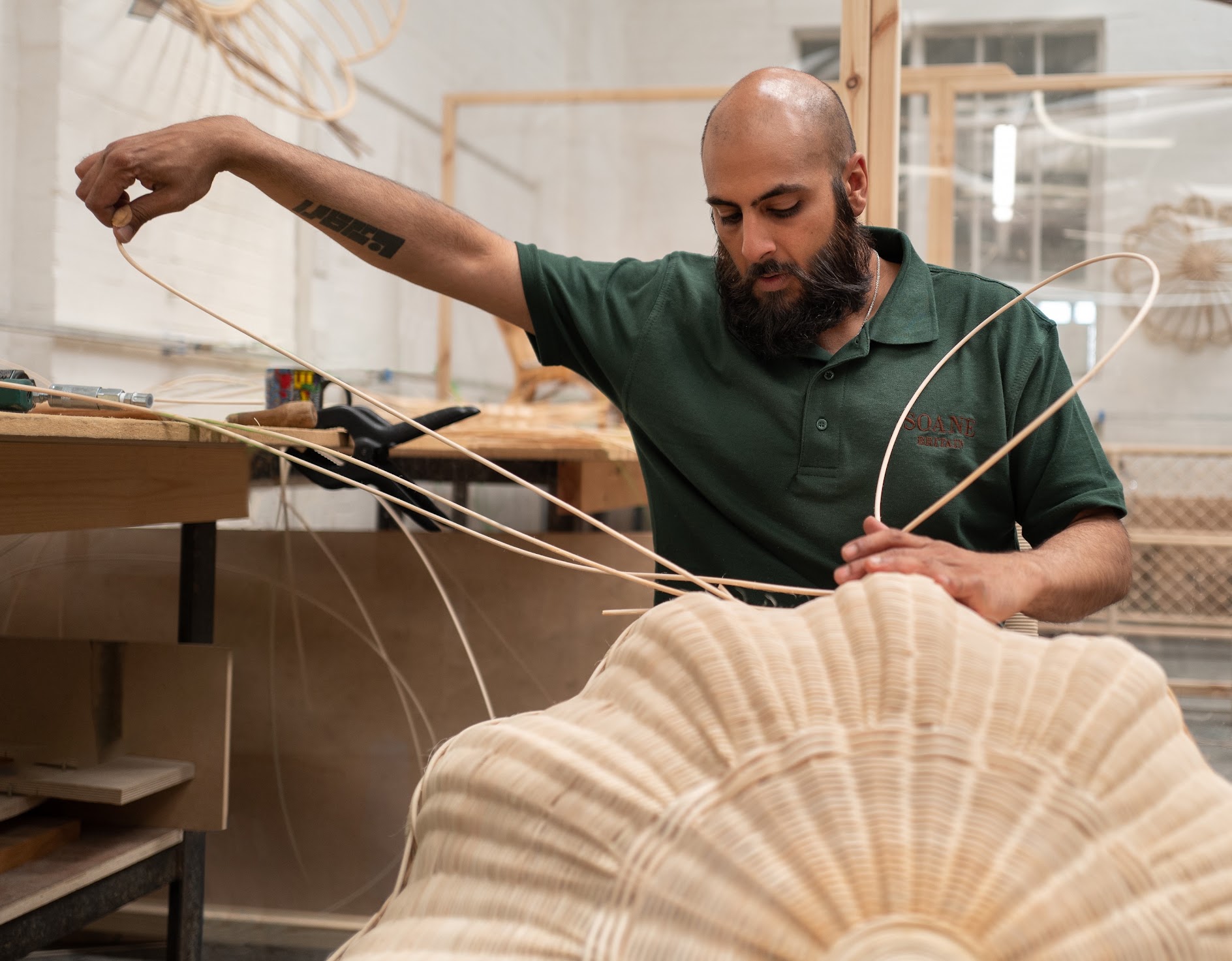
Heritage silversmithing techniques represent only one category of endangered traditional crafts. According to Lulu Lytle, cofounder and creative director of Soane Britain, other endangered crafts that face extinction in the contemporary era include basketry, hand papermaking, pietra dura, and rattan furniture-making. Over the past 15 years, Soane has revived the last rattan workshop in the United Kingdom after its unexpected closure in 2010. Today, the reopened workshop employs 17 rattan craftspeople, and in 2013, Soane initiated a rattan apprenticeship scheme to keep the skills alive. To date, four craftspeople have successfully completed the program, and ten more are currently in training.
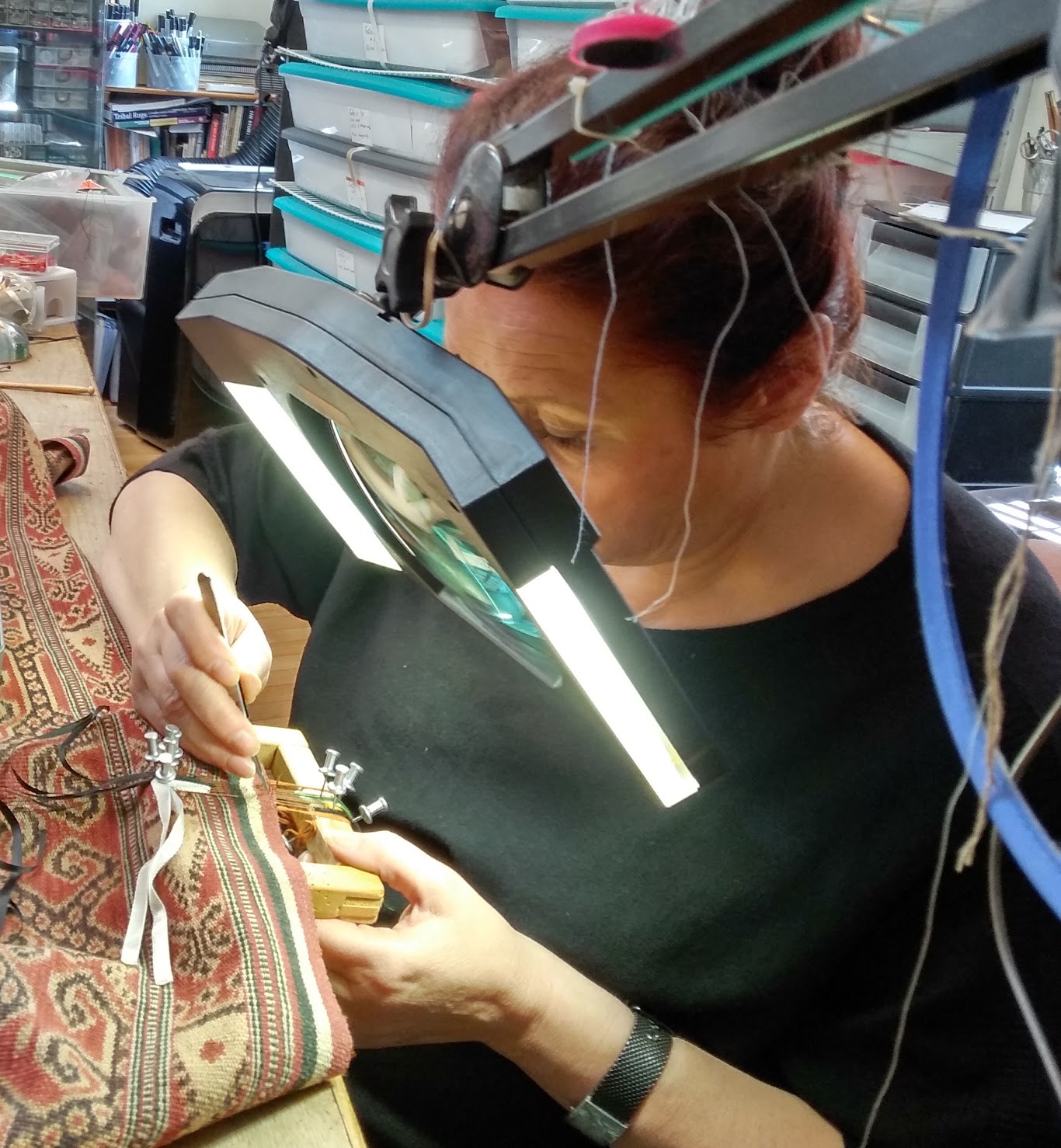
“Conservation evolves, but respect for craft remains timeless.”
— Vera Indenbaum.
Vera Indenbaum, is a nationally renowned expert in textile conservation and restoration. Born in the former Soviet Union, she developed expertise in textile conservation through structured career training that included an apprenticeship and a specialized trade program in rug restoration. Her training led her to work at the Museum of Decorative Art in Moscow. After moving to the U.S., she became an independent textile conservator and, in 1996, launched the Antique Textile Clinic. Textile conservation plays a crucial role in preserving cultural heritage, as historic fabrics, rugs, and garments serve as tangible records of artistic traditions, social customs, and technological innovations across civilizations. Beyond their historical significance, these textiles often represent irreplaceable examples of craftsmanship and design that continue to influence contemporary fashion and decorative arts.
Safeguarding Historic Material Culture for the Future
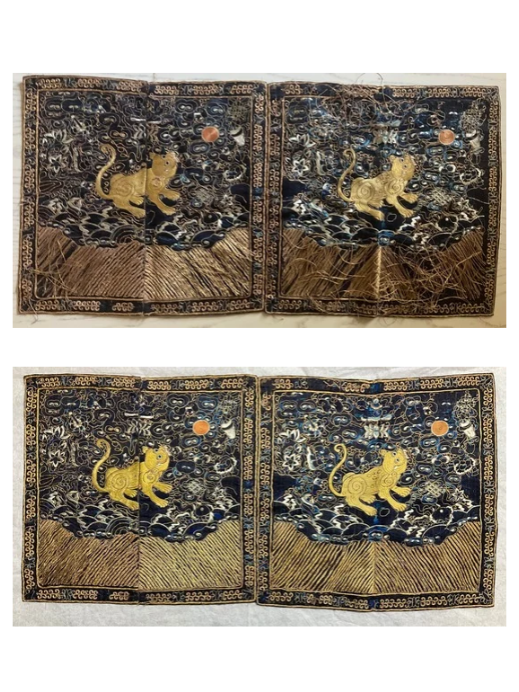
One of the most persistent challenges in preserving historic material culture is the lack of transparency surrounding how objects were originally made. For those working to sustain traditional trades, the opacity of past production techniques becomes a serious obstacle: without clear communication or accessible knowledge of how something was crafted, maintaining the integrity of restoration work becomes far more difficult. Terminology can be inconsistent, methods poorly documented, and essential steps obscured by time. Practitioners like Indenbaum address this problem by carefully reconstructing and explaining each object’s manufacturing process — identifying materials, clarifying techniques, and outlining the work required to ensure longevity. Their goal is not to reinvent an object, but to enable it to endure.
Museum exhibitions, such as those organized by the Philadelphia Museum of Art or the Metropolitan Museum of Art, play a vital role in promoting the decorative arts and tradi- tional trades to the public. By investing in their own collec- tions, museums facilitate the preservation of heritage objects and simultaneously enable broader public engagement with conservation work. As conversations around sustainability intensify, the conservation of antiques exemplifies sustainable practice. The work aims to extend the lifespan of artifacts while respecting their integrity and the narratives of both the objects and their custodians. With exhibitions becoming an increasingly popular vehicle for consumption of antique objects, there is growing emphasis on maintaining sustainable conservation processes. Some specialists argue that museums should prioritize their permanent collections in storage rather than borrowing pieces exclusively for temporary display.
In a world increasingly concerned with sustainability, conserving antiques is inherently sustainable. It extends the life of existing objects while honoring the intentions of their makers and the histories they embody. Kirtley emphasizes that exhibitions should follow this ethos as well: “Museums should rely on their own deep collections in storage much more — and only borrow a handful.”
Across disciplines, the message is consistent. The skills required to preserve our material culture are endangered, but not lost. With intentional training, clearer communication, and renewed commitment, these crafts can survive. Together, we can safeguard the longevity of objects that connect generations — keeping them “healthy” for those who will
one day inherit them.
As Indenbaum reminds us, “Conservation evolves, but respect for craft remains timeless.”


